Understanding Bathroom Remodeling
What is Bathroom Remodeling?
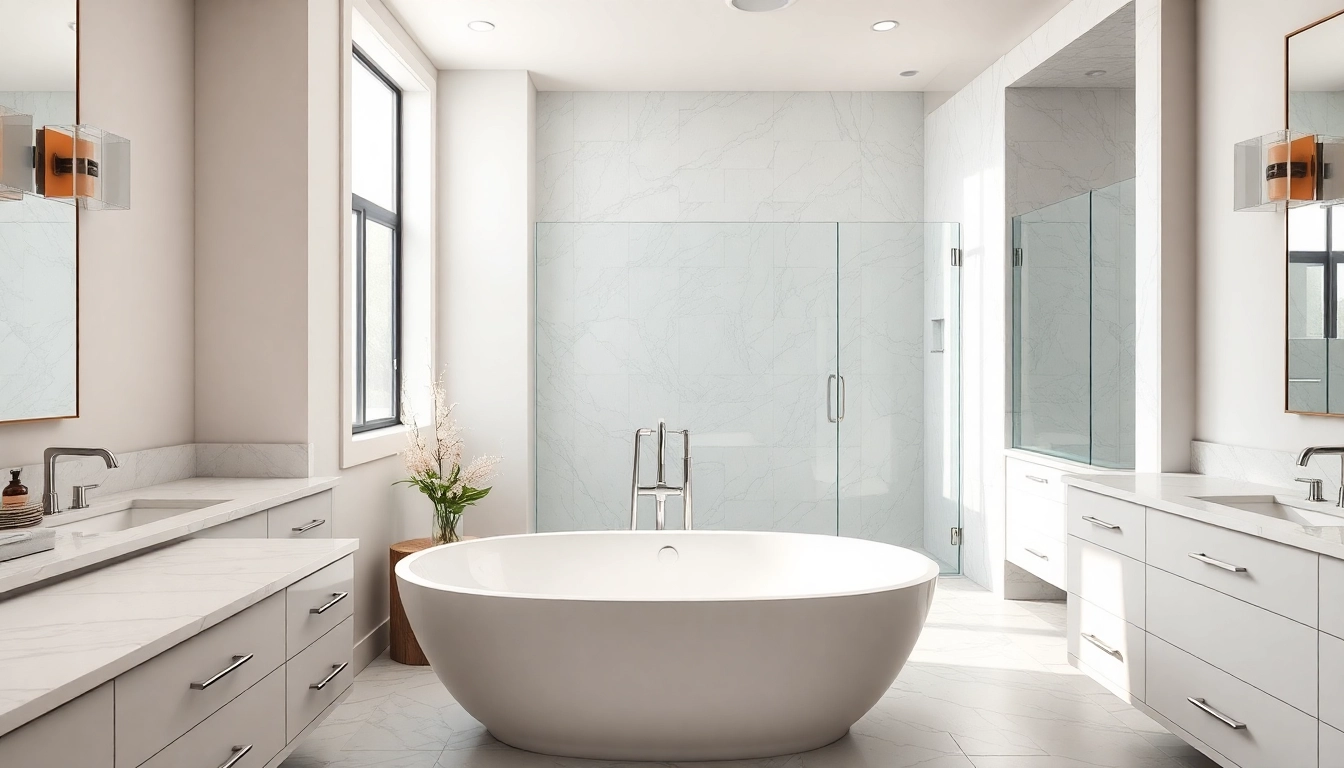
Bathroom remodeling refers to the process of making significant changes to your bathroom space, including alterations to its structure, layout, aesthetics, and functionality. This can range from simple cosmetic upgrades, such as re-tiling and painting, to comprehensive renovations that might involve relocating plumbing fixtures, upgrading electrical systems, and changing the overall layout. A well-planned bathroom remodeling project can not only enhance the visual appeal of your home but also improve its functionality and increase property value.
Common Reasons for Bathroom Remodeling
The reasons for embarking on a bathroom remodeling project can vary widely among homeowners. Some of the most common motivations include:
- Increased Functionality: Homeowners often seek to optimize space and create a more functional layout to accommodate family needs.
- Aesthetic Appeal: Renovating a dated bathroom can significantly improve the overall look and feel of a home.
- Energy Efficiency: Upgrading to energy-efficient toilets, showers, and faucets can reduce water usage and lower utility bills.
- Improving Safety: Installing grab bars, non-slip flooring, and better lighting can enhance safety for all users, especially the elderly.
- Boosting Home Value: A beautifully remodeled bathroom can increase the resale value of your home, making it more appealing to potential buyers.
How to Start Your Bathroom Remodeling Project
Starting a bathroom remodeling project can seem overwhelming, but with a structured approach, you can effectively manage the process. Here are key steps to consider:
- Research: Gather inspiration from magazines, websites, and social media to get a feel for the styles and trends that resonate with you.
- Define Your Goals: Clarify your objectives, whether it’s enhancing aesthetics, increasing functionality, or boosting resale value.
- Plan Your Budget: Establish a realistic budget that factors in materials, labor, and unexpected costs.
- Hire Professionals: Depending on the scope of the project, consider consulting with designers and contractors.
Planning Your Bathroom Remodeling
Budgeting for Bathroom Remodeling
One of the most critical steps in the bathroom remodeling process is setting a budget. A well-planned budget will help guide your choices throughout the project. Begin by estimating costs for materials, labor, permits, and contingencies. On average, homeowners can expect to spend between $10,000 and $30,000 for a complete remodel, depending on the size of the bathroom and the extent of renovations. Be sure to allocate an additional 10-20% of your total budget for unexpected expenses, which are common in home renovations.
Choosing the Right Layout for Your Bathroom Remodeling
The layout of your bathroom is crucial for both functionality and aesthetic appeal. Traditional layouts often feature a separate shower and bathtub, alongside dual sinks. However, open concept designs are gaining popularity, encouraging a spa-like feel with minimal barriers. When planning your layout, consider the following:
- Traffic Flow: Ensure there's enough space for movement, especially if multiple people will use the bathroom simultaneously.
- Accessibility: Consider features like door swings, space for wheelchair access, and the height of fixtures.
- Plumbing Locations: Keeping existing plumbing locations saves on costs, but don’t hesitate to shift if it significantly enhances functionality.
Incorporating Style and Functionality in Bathroom Remodeling
Merging style with functionality is essential in bathroom remodeling. Aesthetic choices like tile patterns, cabinetry, and fixtures should complement the bathroom’s overall design while enhancing usability. Some ideas to consider include:
- Color Schemes: Choose colors that promote relaxation, such as soft blues, greens, and neutrals, while avoiding overly dark tones that can make a space feel cramped.
- Storage: Incorporating built-in shelves, cabinetry, and organizational solutions can maximize storage without sacrificing style.
- High-Quality Fixtures: Investing in quality faucets, showerheads, and cabinets can elevate the overall look while ensuring durability.
Design Trends in Bathroom Remodeling
Modern Aesthetics: Colors and Materials
Current design trends in bathroom remodeling emphasize clean lines and minimalism. Neutral colors paired with bold accents can create a striking yet calm environment. Popular material choices include:
- Natural Stone: Offers timeless appeal and durability, often used in countertops and tile work.
- Glass Accents: Glass shower enclosures and tile can create a sense of openness.
- Matte Finishes: Fixtures and cabinetry in matte finishes convey sophistication over traditional glossy options.
Eco-Friendly Choices for Bathroom Remodeling
The trend toward eco-friendliness continues to grow, with homeowners seeking sustainable materials and technologies. Consider incorporating:
- Low Flow Fixtures: These can significantly reduce water consumption while providing adequate performance.
- Recycled Materials: Using recycled glass tiles or repurposed wood for cabinetry adds unique charm with minimal environmental impact.
- Energy-Efficient Lighting: LED lights not only consume less energy but also have longer lifespans than traditional bulbs.
Smart Technology in Bathroom Remodeling
Smart technology integration is transforming how bathrooms function, providing convenience and efficiency. Key trends include:
- Smart Showers: These can adjust water temperature and pressure via a smartphone app.
- Automated Lighting: Motion sensors that turn lights on and off as you enter or leave can enhance energy savings.
- Smart Mirrors: These may feature built-in lighting, magnification, and even Bluetooth connectivity for music or calls.
Tips for Successful Bathroom Remodeling
Working with Professionals for Bathroom Remodeling
Hiring the right professionals can make or break your bathroom remodeling project. Start by researching local contractors, reading reviews, and asking for recommendations. When interviewing potential candidates, consider their experience with bathroom projects similar to yours, inquire about their design processes, and evaluate their communication skills. Trustworthy professionals should provide clear estimates, timelines, and references. Build rapport with your chosen contractor for a smoother remodeling experience.
DIY vs. Professional Assistance in Bathroom Remodeling
The decision between DIY and hiring professionals depends on your skills, budget, and project scope. Small projects like painting or replacing fixtures might be suitable for DIY, but larger endeavors, especially involving plumbing and electrical work, often require expert oversight. Weigh the benefits of personal investment against potential costs incurred from errors before making this decision. Sometimes, hiring a professional can lead to long-term savings.
Project Timeline and Execution for Bathroom Remodeling
Proper project management is crucial for timely completion of your bathroom remodeling. The timeline can vary greatly based on the project's complexity, ranging from a few weeks for cosmetic upgrades to several months for total renovations. Establish a detailed timeline that outlines each phase—design, demolition, installation, and final inspection. Regular communication with contractors and adherence to the schedule will help keep the project on track.
Maintaining Your Newly Remodeled Bathroom
Cleaning and Upkeep Tips for Bathroom Remodeling
Once you’ve completed your bathroom remodeling, maintaining its beauty and functionality is paramount. Regular cleaning routines involving mild detergents and soft cloths will protect surfaces without causing damage. Consider investing in water-repellent coatings for tiles to repel soap scum and stains, making long-term upkeep easier.
Signs You Need Renovation After Bathroom Remodeling
Even after a successful remodel, some signs may indicate the need for future renovations. Water leaks, persistent mold issues, outdated fixtures, and noticeable wear on surfaces are all telltale signs that something must be addressed. Regular inspections can help catch these issues early, ensuring that your bathroom stays fresh and functional.
Enhancing Value with Your Bathroom Remodeling
A well-executed bathroom remodeling can significantly boost your home’s market value. Focus on high-impact areas like fixtures, flooring, and storage solutions to maximize appeal. Keeping current with trends while maintaining classic elements can attract buyers when it’s time to sell. Real estate experts often note that kitchens and bathrooms are the most scrutinized areas, so quality renovations here yield the highest returns.
FAQs About Bathroom Remodeling
What’s the average cost of bathroom remodeling?
The average cost can range from $10,000 to $30,000, depending on the extent of renovations and materials chosen. Planning appropriately can help manage these expenses effectively.
How long does bathroom remodeling typically take?
Timelines vary based on project complexity, but typical renovations can take 4 to 8 weeks from start to finish, including planning and execution phases.
Can I remodel my bathroom on a budget?
Yes! Focusing on cosmetic updates like painting, replacing fixtures, or refinishing surfaces can provide significant improvements without extensive costs.
Should I hire a designer for bathroom remodeling?
Hiring a designer can be beneficial, especially for complex projects. They offer expertise in layout, materials, and current trends to optimize your space.
What are common mistakes to avoid in bathroom remodeling?
Common mistakes include underestimating costs, neglecting adequate ventilation, and not planning for future maintenance. Proper research and planning can help circumvent these issues.