
Understanding Sports Broadcasting
Definition and Purpose of Sports Broadcasting
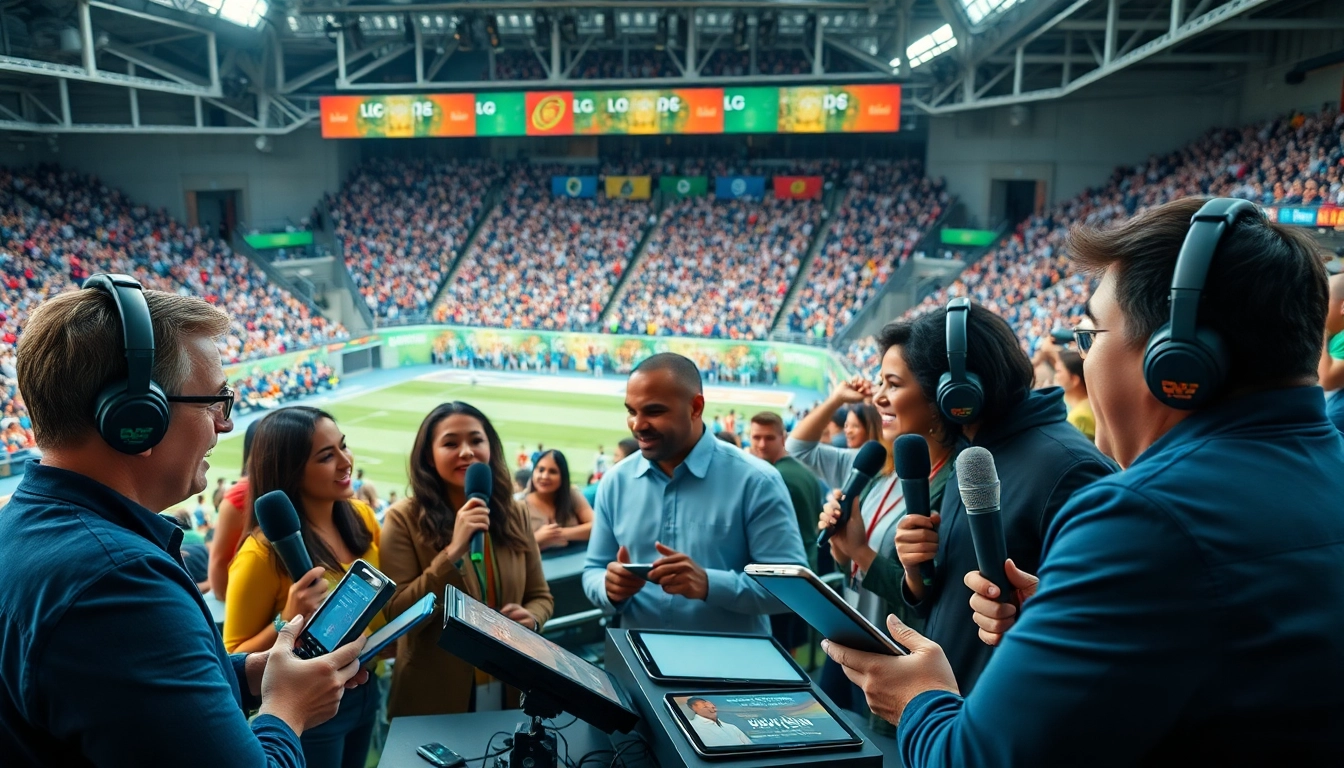
Sports broadcasting encompasses the transmission of live or recorded sports events through various media platforms, such as television, radio, and the internet. The primary purpose of sports broadcasting is to bring athletic competitions into the homes and devices of audiences worldwide, ensuring that fans can engage with their favorite sports and teams from anywhere. By providing commentary, analysis, highlights, and real-time updates, sports broadcasting enhances the viewing experience and creates a sense of connection between teams and fans. Particularly, Sports Broadcasting serves as a cultural phenomenon that grows the fanbase and fosters community involvement.
Historical Background of Sports Broadcasting
The evolution of sports broadcasting is profound, tracing back to the early 20th century when radio first broadcast live sports events. The first major sporting event to be aired on radio was a boxing match in 1921. Television took sports broadcasting to new heights in the 1950s, with iconic moments like the 1958 NFL Championship Game, which showcased the potential of live TV sports. The 1980s and 1990s saw a boom in cable channels dedicated to sports, such as ESPN, which revolutionized how fans accessed sports coverage. Today, sports broadcasting has entered the digital age, where streaming platforms are increasingly dominant, allowing fans to enjoy sports on demand.
Key Technologies in Sports Broadcasting
Technological advancements have played a pivotal role in shaping sports broadcasting. High-definition (HD) and ultra-high-definition (UHD) video technologies enhance viewer experiences by providing crystal-clear images of sporting events. Additionally, graphics and statistical overlays enrich broadcasts with real-time data, helping fans better understand the game. Innovations like 360-degree cameras, drones, and virtual reality are increasingly used to offer unique perspectives during live events. Moreover, live-streaming technologies enable content delivery across multiple platforms, ensuring accessibility for diverse audiences.
The Role of Sports Broadcasting in Fan Engagement
How Sports Broadcasting Connects Teams and Fans
Sports broadcasting acts as a bridge between teams and their supporters, establishing a dialogue that fosters loyalty and community. The thrill of live sports—heightened by passionate commentary, visual storytelling, and behind-the-scenes footage—creates an emotional connection that transforms casual viewers into devoted fans. Through game recaps, interviews, and feature stories, broadcasters enhance the connection, ensuring fans feel invested in their teams. This engagement not only strengthens fan allegiance but also drives participation in team events, merchandise sales, and community programs.
The Influence of Social Media on Sports Broadcasting
Social media has revolutionized sports broadcasting by allowing for real-time interactions between fans and broadcasters. Platforms like Twitter, Instagram, and TikTok enable broadcasters to share highlights, behind-the-scenes content, and live discussions that engage viewers beyond traditional broadcasts. Fans can comment, share, and create content tied to their favorite sports, making the broadcasting experience highly interactive. This shift has prompted broadcasters to adapt their strategies, creating hybrid models that combine live sports with social media engagement, ultimately leading to a modernized fan experience.
Case Studies of Successful Fan Engagement Strategies
Several teams and leagues have successfully harnessed strategies to enhance fan engagement through sports broadcasting. For example, the NBA has excelled in digital engagement, offering behind-the-scenes player content and interactive live Q&As that create intimate experiences for fans. Another successful strategy was the introduction of ‘Game Night’ events by various leagues, where fans can participate in live broadcasts, share their experiences on social media, and win prizes. These initiatives not only increase viewership but also strengthen community ties and allow brands to capitalize on active fan engagement, leading to higher loyalty and revenue.
Monetization of Sports Broadcasting
Revenue Models in Sports Broadcasting
Monetizing sports broadcasting involves various revenue models that can include advertising, subscription fees, and licensing rights. Traditional broadcasters typically rely on advertising, selling commercial spots during games and leveraging viewership data to maximize revenue. In contrast, streaming platforms may adopt subscription models, charging fans for exclusive content, such as pay-per-view events or monthly subscriptions for ad-free viewing. Additionally, syndicating broadcasting rights enables leagues to generate significant income, allowing networks to secure exclusive broadcasting deals that enhance financial stability.
Impact of Advertising on Sports Broadcasting
Advertising plays a critical role in the economics of sports broadcasting. Advertisers leverage the huge audiences drawn by live sports, creating targeted ad campaigns that resonate with viewers. The placement of ads during strategic moments, such as time-outs or halftime, ensures maximum visibility. Additionally, sponsorship opportunities within broadcasts, such as naming rights for segments or exclusive partnership deals, provide additional revenue streams. The effectiveness of advertising in this arena has led to innovative techniques such as integrated advertising, where brands become part of the sports narrative, further enhancing their visibility and relevance.
Future Trends in Broadcasting Revenue Streams
As the landscape of sports broadcasting continues to evolve, new revenue streams are emerging that reflect changes in viewer habits. E-sports, with its rapidly growing audience, is creating a new niche for advertisers and broadcasters. Moreover, opportunities for monetization through sponsorship of digital experiences and interactive streams are on the rise, as fans increasingly demand personalized content. The rise of blockchain technology could also support new advertising models, enabling direct fan engagement and providing more transparency in advertising practices.
Challenges Facing Sports Broadcasting Today
Technological Disruptions in Sports Broadcasting
The rapid pace of technological advancement poses both opportunities and challenges for broadcasters. With the rise of streaming services, traditional sports broadcasting models face disruption as viewers gravitate towards on-demand and personalized content. Broadcasters must adapt by investing in innovative technologies that enhance viewership experiences and provide interactive features. Additionally, competition from social media platforms, which offer instant highlights and commentary, threatens traditional broadcast ratings, requiring media companies to rethink their engagement strategies.
Regulatory Issues Surrounding Sports Broadcasting
Sports broadcasting operates within a complex regulatory landscape that can impose challenges for content distributors. Issues such as content licensing, broadcast rights, and international broadcasting regulations must be navigated skillfully. Furthermore, the rise of regional sports networks has complicated broadcasting rights deals, leading to exclusivity troubles for certain markets. Compliance with regulations regarding advertising standards and intellectual property rights also adds another layer of complexity, demanding that broadcasters remain vigilant in their operational practices.
The Competitive Landscape of Sports Broadcasting
The sports broadcasting market is highly competitive, with numerous players vying for viewer attention and advertising dollars. Major networks are competing with emerging streaming platforms, each trying to secure broadcasting rights for high-profile events. This environment leads to aggressive bidding strategies, making content acquisition highly costly. Furthermore, as viewership habits shift, especially among younger demographics, broadcasters must adapt quickly to stay relevant, focusing on delivering quality content that meets changing viewer preferences.
Future of Sports Broadcasting
Predictions for Evolving Viewer Habits
As technology continues to advance and consumer preferences shift, the future of sports broadcasting will see significant changes in viewer habits. Younger audiences are likely to prefer personalized, on-demand content over traditional live broadcasts. This shift will force broadcasters to enhance the interactivity of their content, allowing fans to choose camera angles, commentary styles, and even streams featuring only their favorite players. Additionally, as more fans consume sports via mobile devices, optimizing broadcast strategies for smaller screens will be essential for maintaining viewership.
Innovations Shaping the Next Generation of Broadcasting
Innovations such as artificial intelligence and machine learning are poised to significantly influence the future of sports broadcasting. These technologies can deliver personalized viewer recommendations, optimizing content delivery to individual preferences. Enhanced use of virtual and augmented reality can further immerse fans in the sports experience, blurring the lines between virtual interaction and live events. As these technologies mature, sports broadcasting will leverage them to create unique viewing experiences that engage fans like never before.
How Brands Can Adapt to Changes in Sports Broadcasting
Brands must be agile and innovative to navigate the rapidly changing landscape of sports broadcasting. Understanding shifts in viewer behavior and preferences will be crucial for developing effective marketing strategies. Engaging audiences through social media and digital platforms is essential. Brands can participate in live events via sponsored content or interactive campaigns that resonate with younger, tech-savvy fans. Furthermore, integrating advertising with engaging content, such as storytelling that aligns with fan passions, will be vital in ensuring relevance amid evolving viewing landscapes.
Frequently Asked Questions
What is sports broadcasting?
Sports broadcasting is the transmission of live or recorded sports events via media platforms, allowing fans to access games, commentary, and highlights.
How has technology impacted sports broadcasting?
Technology has enhanced sports broadcasting through HD visuals, real-time data overlays, and streaming capabilities, making sports more accessible.
What revenue models are used in sports broadcasting?
Common revenue models include advertising, subscription fees, and licensing rights, providing diverse income opportunities for broadcasters.
What challenges do sports broadcasters face today?
Challenges include technological disruptions, regulatory issues, and intensified competition from various media platforms, affecting traditional broadcasting.
What does the future hold for sports broadcasting?
The future will see personalized content, enhanced interactivity, and the integration of AI and VR technologies, transforming the viewer experience significantly.