Understanding the Basics of Renovation
What is Renovation?
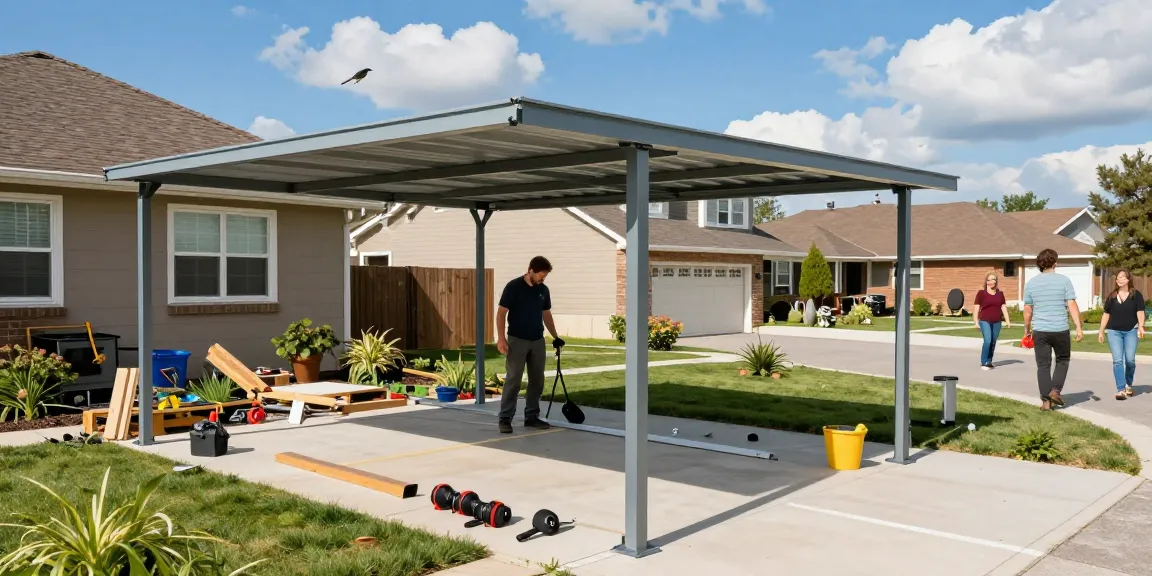
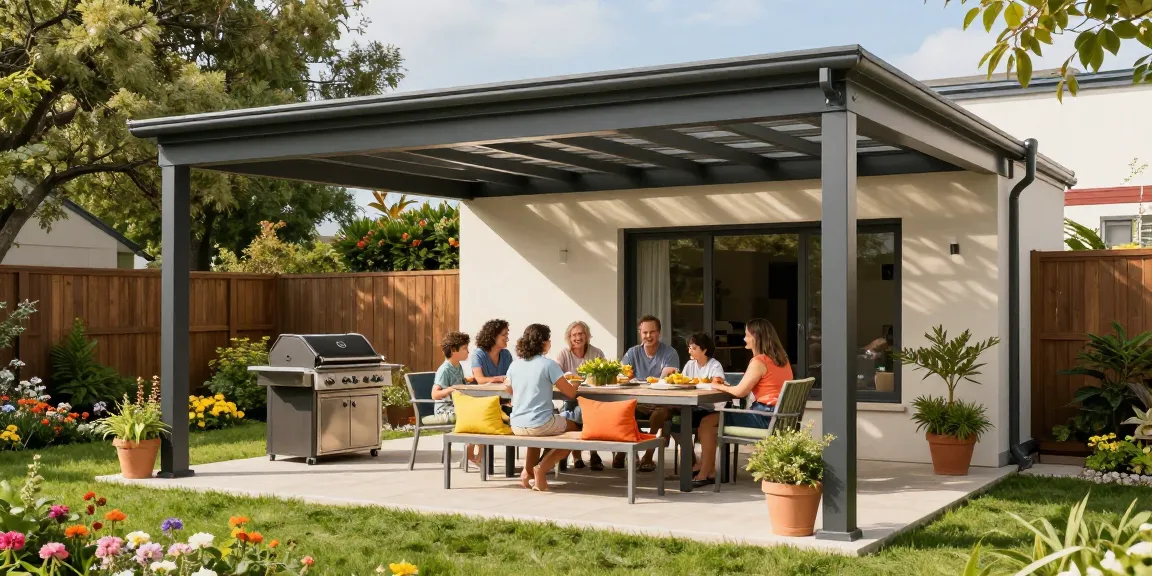
Renovation embodies the process of enhancing or updating a structure to improve its functionality, aesthetics, or value. Unlike construction, which often involves building new structures from the ground up, renovation focuses on modifying existing spaces. This can range from simple cosmetic changes like paint and flooring to extensive remodels that involve reconfiguring spaces and modernizing infrastructure.
Common Types of Renovation
Understanding common types of renovation is crucial for determining the direction of your project. Here are some prevalent categories:
- Cosmetic Renovation: Involves surface changes, such as painting, flooring, or fixtures, to refresh the look of a space without altering its layout.
- Structural Renovation: Addresses fundamental issues or alters the layout, which may include wall removals, foundation repairs, or roof replacements.
- Restoration: Aims to return a building to a specific earlier condition, maintaining its historical significance and character.
- Green Renovation: Focuses on sustainable practices, integrating eco-friendly materials and energy-efficient systems to reduce the environmental impact.
- Commercial Renovation: Tailored for business properties, aiming to optimize the space for commercial needs or improve compliance with regulations.
Factors to Consider Before Starting
Before diving into a renovation, several critical factors must be assessed to ensure a smooth process and successful outcome:
- Budget: Establish a clear budget that encompasses materials, labor, and unexpected costs. Planning for an overage of 10-20% is prudent.
- Timeline: Determine a reasonable timeline based on the project's scope and complexity. Understanding the seasonal factors that can affect construction is also vital.
- Permits and Regulations: Confirm any necessary permits required by local authorities to avoid fines or project disruptions.
- Impact on Daily Life: Consider how the renovation will affect your daily routines and what measures need to be taken to minimize disruptions.
Planning Your Renovation Project
Setting a Realistic Budget
Setting a realistic budget is fundamental to any successful renovation project. Start by outlining all potential costs including materials, labor, permit fees, and additional expenses like temporary housing if needed. Research local market prices and get multiple quotes from contractors. Also, factor in financial flexibility to cover unexpected costs that often arise during renovation.
Choosing the Right Timeline
The timeline for your renovation project can significantly affect its success. Begin by breaking the project down into phases, estimating the time required for each, and then adding a buffer for unforeseen delays. Consider external factors such as seasons, availability of materials, and contractor schedules. Setting ambitious but attainable deadlines can provide the structure needed for an efficient workflow.
Hiring Professionals vs. DIY
Choosing between hiring professionals or undertaking a DIY approach can be challenging. Assess the scale of the project, your skill set, and the available time. For complex tasks—especially those involving structural changes, electrical work, or plumbing—hiring professionals may save you time and ensure quality results. However, smaller cosmetic changes can often be effectively handled through DIY efforts, bringing a personal touch to your renovation.
Design Considerations for Effective Renovation
Selecting Your Design Style
Your renovation design should reflect personal taste and harmonize with the existing architecture. Consider various styles such as contemporary, traditional, or minimalist, and think about how different elements would blend together. Utilizing mood boards can help visualize color palettes and texture combinations before making final decisions.
Utilizing Space Efficiently
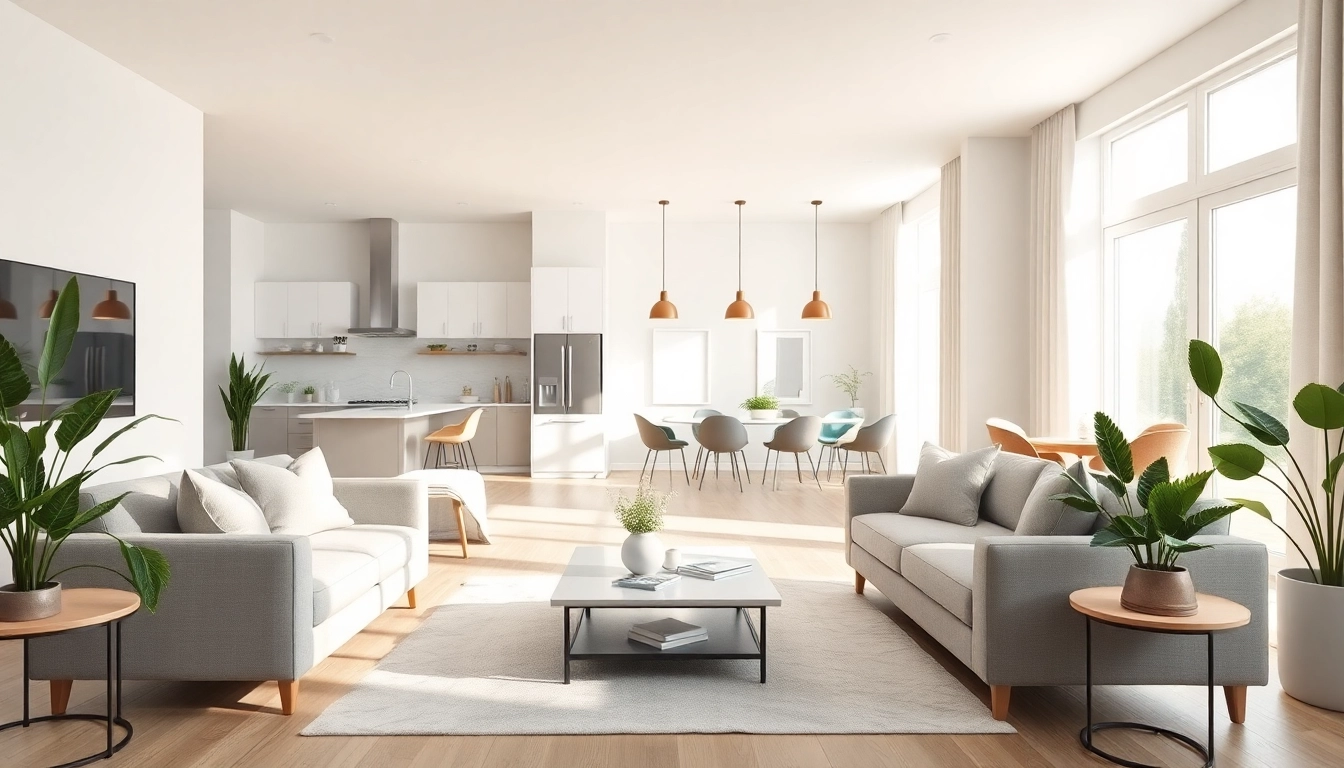
Optimizing space is vital in effective renovation. Evaluate the flow of your home and identify areas that may feel cramped or underutilized. Employ smart storage solutions like built-in cabinetry or multifunctional furniture to maximize space without sacrificing design. Open floor plans can also enhance the sense of space and improve natural light flow.
Color Schemes and Materials
Color schemes and materials play a significant role in the overall aesthetic of your space. Neutral colors can make a space feel larger and are timeless options, while bold colors can create a statement. When selecting materials, consider durability and maintenance requirements alongside aesthetics. Sustainable options like bamboo or recycled materials can enhance both the beauty and eco-friendliness of your renovation.
Executing Your Renovation Plan
Managing the Construction Process
Effective management of the construction process can prevent costly delays and complications. Maintain clear lines of communication with your contractor and check in frequently to discuss progress and address any concerns. Establish a regular schedule for updates and site visits to ensure that the project adheres to your vision and budget.
Staying on Schedule
Staying on schedule is paramount during a renovation. Utilize project management tools to track timelines and tasks. Consistent communication with all parties involved, from contractors to suppliers, will be essential in adhering to your timeline. Adjustments might be necessary as the project progresses—staying flexible can allow you to adapt without significant disruption.
Handling Unexpected Issues
No renovation is without its challenges. Having contingency plans in place for potential issues—such as discovering mold or structural problems—can mitigate stress. Establishing a protocol for decision-making when obstacles arise will help you maintain momentum and adhere to your overall timeline. Keep a cool head and focus on solutions rather than problems to keep the project moving forward.
Evaluating Your Renovation Outcomes
Measuring Success with Feedback
Evaluating the success of your renovation should involve gathering feedback from family members and guests. Consider surveys or interviews to gauge satisfaction with the functionality and aesthetics of the newly renovated space. Review how well the completed project aligns with your initial goals, and take notes on what worked and what didn’t for future projects.
Long-Term Maintenance Tips
After completing a renovation, establishing a maintenance plan is crucial for preserving the investment made in your home. Regular cleaning schedules, scheduled inspections, and following the manufacturer's care guidelines for all materials will help keep your renovation looking its best. Remember that preventive measures can extend the lifespan of new features and finishes.
Enhancing Home Value Post-Renovation
Post-renovation, evaluating the impact on your home’s value is necessary. Certain renovations, such as kitchen and bathroom updates, tend to yield high returns on investment. To maximize value, consider consulting a real estate expert to understand current market trends and how your renovations align. Presenting your home well, with professional staging or photography, can also positively influence buyer perception.
Frequently Asked Questions
What is the first step in planning a renovation?
The first step is to define your goals and establish a clear budget. Consider the impact of the renovation on daily living and how it aligns with your long-term plans.
Should I hire a contractor or do it myself?
It depends on your expertise, the complexity of the project, and the time you can commit. Hiring a contractor may provide better results for extensive or technical renovations.
How do I stay on budget during renovations?
Maintain a realistic budget by accounting for all potential costs. Consider setting a contingency fund for unexpected expenses that may arise during the process.
What are the most popular types of renovations for home value increase?
Kitchen remodels, bathroom upgrades, and adding living space tend to provide a high return on investment, significantly increasing home value.
How can I ensure my renovation is eco-friendly?
Choose sustainable materials, utilize energy-efficient appliances, and consider eco-friendly design practices to ensure your renovation project is environmentally friendly.